

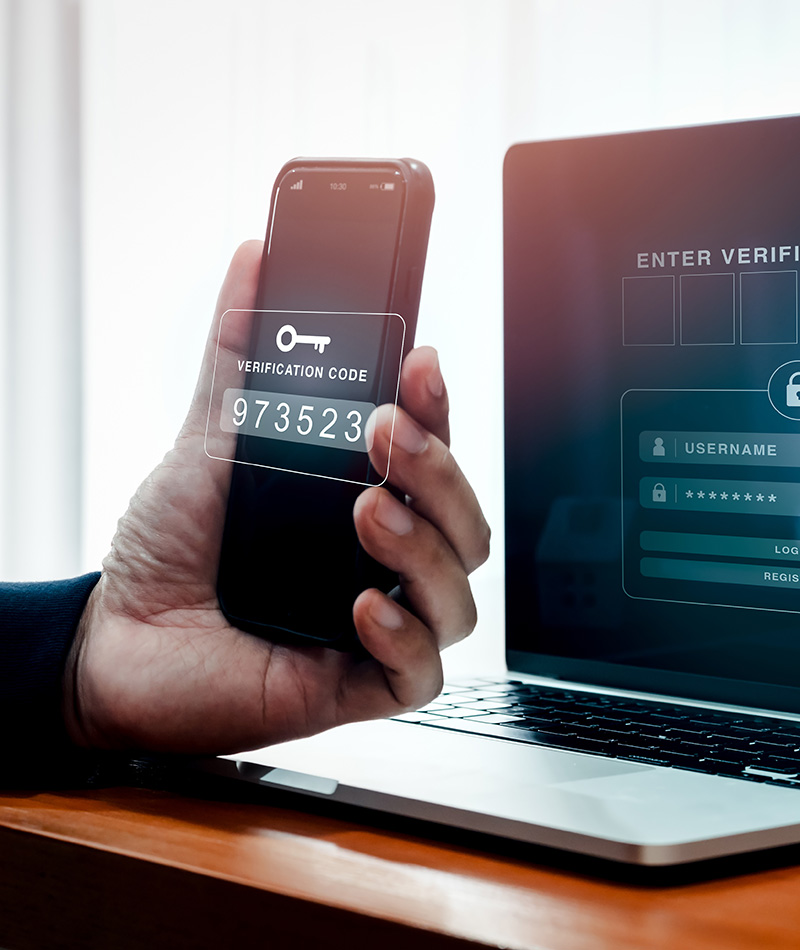




Scammers Don’t Just Target Bank Accounts, They Target Trust
Unfortunately, older adults are among the most frequently targeted groups. With a lifetime of savings, established credit, and a tendency to be more trusting of authority or urgency, seniors are often seen as prime opportunities for fraud.
But awareness is power. Understanding how these scams work, and how to stop them, can make all the difference.
Why Seniors Are Targeted
Scammers often focus on older adults because:
- They may have more financial assets or savings
- They are more likely to answer phone calls or engage with messages
- They may be less familiar with evolving technology and digital threats
- They tend to be polite and trusting, especially when someone appears to need help
- These tactics are intentional and increasingly sophisticated.
Common Scams to Watch For
Impersonation Scams
Fraudsters pose as government agencies, tech support, or even financial institutions, claiming there’s an urgent issue that needs immediate attention. Many impersonate the Internal Revenue Service or Social Security offices.
Grandparent Scams
A caller pretends to be a grandchild (or someone acting on their behalf), claiming they’re in trouble and need money right away, often asking for secrecy.
Tech Support Scams
Pop-ups or calls claim your computer has a virus and urge you to give remote access or pay for “repairs.”
Prize or Sweepstakes Scams
You’re told you’ve won a prize but must pay fees or taxes upfront to claim it.
Romance & Companion Scams
Scammers build emotional relationships online, then request money for emergencies, travel, or other fabricated situations.
Red Flags to Never Ignore
- Requests for immediate payment or secrecy
- Being asked to pay via gift cards, wire transfers, or cryptocurrency
- Messages that create fear, urgency, or emotional pressure
- Unexpected calls or emails asking for personal or financial information
A good rule of thumb: if something feels off, it probably is.
How to Stay Protected
- Pause and verify before taking action
- Talk it through with a trusted family member or advisor
- Do not share sensitive information unless you initiated the contact
- Use call screening and fraud alerts when available
- Regularly review financial statements for unusual activity
Even a quick second opinion can prevent a costly mistake.
The Role of Support and Community
One of the most effective defenses against scams is having a trusted network. That’s where NW Plus plays a meaningful role.
NW Plus goes beyond traditional financial services by providing members with access to trusted guidance, educational resources, and proactive fraud awareness tools. Whether it’s learning about the latest scam tactics, setting up account protections, or knowing who to call when something doesn’t feel right, members have an added layer of support.
For seniors, and the families who support them, that peace of mind is invaluable.
Helping Protect the People You Love
If you have older family members in your life, starting a conversation about scams can feel uncomfortable, but it’s essential. Sharing information, setting up safeguards, and encouraging open communication can dramatically reduce risk.
And for those considering NW Plus, membership offers more than financial benefits: it provides a sense of security, connection, and confidence in an increasingly complex world.
Never share your account number, passwords, answers to security questions, or other account information. We will never ask you for this type of information when we call or email you. If someone claiming to be a NW Plus CU representative asks for sensitive account information over the phone or in an email, end the conversation immediately, and call us at 425.297.1000 or come to one of our branches to report the incident.